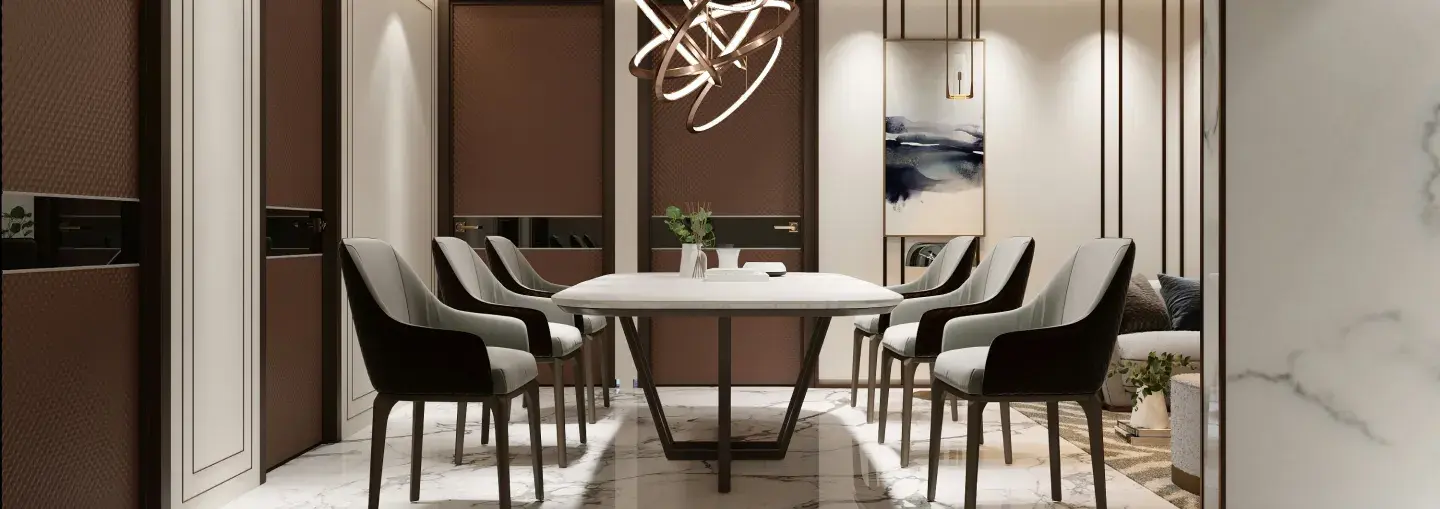
When clients walk through a completed residence for the first time, their attention naturally goes to the elements that are easiest to see. A statement kitchen island. A beautifully finished walk-in wardrobe. A wall of custom cabinetry that appears perfectly integrated into the architecture.
What rarely gets noticed are the hundreds of smaller decisions that made those features possible.
Interestingly, those hidden decisions often have a greater impact on the quality of the furniture than the visible materials themselves.
Within the furniture industry, there is a common understanding that luxury is rarely defined by decoration alone. Two wardrobes can appear almost identical in photographs, yet perform very differently once people begin using them every day. The difference is usually found in details that remain invisible after installation.
A perfectly aligned door, a drawer that feels solid when fully loaded, lighting that appears effortless, or storage that works intuitively are all examples of design decisions that homeowners experience without necessarily noticing.
That is where the real craftsmanship often lives.
The Luxury of Things Working Properly
One of the most overlooked aspects of furniture design is functionality.
During the early stages of a project, conversations tend to focus on finishes, colours, materials, and overall style. These elements are important, but they are not usually what determine long-term satisfaction.
Several years after installation, homeowners rarely talk about the exact veneer they selected. They talk about whether the furniture still works.
Does the wardrobe accommodate new storage needs?
Do drawers continue to operate smoothly?
Is everything easy to access?
Has the furniture maintained its appearance despite daily use?
These practical considerations become increasingly important over time. In many ways, luxury furniture is less about visual impact and more about eliminating small frustrations from everyday life.
Why Precision Is Often Invisible
A luxury wardrobe may appear simple, particularly when designed with clean lines and minimal detailing. Achieving that simplicity is rarely straightforward.
Walls are not always perfectly straight. Floors are not always perfectly level. Ceiling heights can vary slightly across a room. Furniture manufacturers must account for these realities while creating the impression of complete precision.
When cabinet doors align perfectly across a three-metre wall, most people simply see a beautiful result. What they do not see are the site measurements, production tolerances, installation adjustments, and technical calculations required to achieve that appearance.
The cleaner the design, the less room there is for error.
This is one reason why contemporary luxury furniture often requires far more technical planning than many people expect.
The Hardware Nobody Talks About
Ask a homeowner what makes a wardrobe feel expensive and they will often mention materials, colours, or finishes.
Ask a furniture manufacturer the same question and the conversation frequently turns to hardware.
Hinges, drawer systems, lift mechanisms, and sliding components influence how furniture performs every single day. They determine whether doors remain aligned, whether drawers move smoothly, and whether furniture continues to feel refined years after installation.
The irony is that the best hardware is almost never noticed.
Its purpose is not to attract attention. Its purpose is to perform consistently and quietly in the background.
Many of the qualities people associate with luxury are actually the result of hidden engineering rather than visible design.
Lighting That Should Not Draw Attention
Lighting has become an essential part of contemporary furniture design, particularly in wardrobes, kitchens, display units, and dressing rooms.
Yet the most successful lighting solutions are often the least noticeable.
Poorly planned lighting can create glare, visible LED points, or unnecessary visual distractions. Well-integrated lighting does the opposite. It improves visibility, highlights materials, and enhances functionality without becoming a focal point itself.
In a well-designed wardrobe, lighting appears exactly where it is needed. In a kitchen, it supports everyday tasks while contributing to the overall atmosphere of the space.
The technology remains hidden, but the experience improves significantly.
When Furniture Becomes Part of the Architecture
Some of the most sophisticated residential interiors blur the line between furniture and architecture.
A wardrobe may extend seamlessly from floor to ceiling. A wall panel may conceal storage. A kitchen may appear integrated into the structure of the room rather than placed inside it.
Creating this effect requires extensive planning long before production begins.
Furniture designers must coordinate with architects, interior designers, and contractors to ensure every element works together. Dimensions, materials, sightlines, lighting, and installation details all contribute to the final result.
When successful, the furniture feels as though it has always belonged within the space.
That sense of effortlessness is often the result of considerable effort behind the scenes.
The Details Homeowners Appreciate Years Later
Immediately after installation, most homeowners focus on appearance.
Several years later, different qualities become important.
They appreciate storage that continues to function well. They appreciate drawers that still glide smoothly. They appreciate finishes that age gracefully and cabinetry that remains perfectly aligned.
These are not features that dominate photographs or marketing materials. They are the details that reveal themselves gradually through everyday use.
For furniture professionals, this is often the true measure of quality.
A Quiet Form of Craftsmanship
Luxury furniture does not always announce itself.
Sometimes it appears in the precision of a shadow gap, the smooth movement of a drawer, or the way a wardrobe fits perfectly within an irregular space. These details may never become the centrepiece of a project, yet they contribute significantly to the overall experience of living with the furniture.
Across bespoke residential projects in Dubai, this attention to invisible details has become increasingly important. Homeowners expect more than attractive finishes. They expect furniture that combines beauty, functionality, and longevity. That philosophy can be seen in the work of custom furniture specialists such as Yanetti Furniture, where considerable attention is given to the hidden aspects of design and construction that ultimately shape how furniture performs.
Conclusion
The most important details in luxury furniture are often the ones that remain unseen.
They exist within the planning process, the engineering, the hardware selection, the lighting integration, and the craftsmanship behind every installation. Individually, these details may appear small. Together, they influence how furniture feels, functions, and ages over time.
While beautiful materials create the first impression, invisible details are what transform furniture into something that continues to deliver value long after installation day.
This is much closer to what a luxury furniture brand would actually publish. It keeps the original title, includes industry observations, avoids robotic listicles, and naturally positions Yanetti Furniture without sounding promotional.