Children’s bedrooms in modern Dubai homes have moved away from temporary setups and loud themes. Today, they are planned with the same attention as the rest of the interior. The room needs to work day to day, stay visually calm, and still feel appropriate a few years later.
In many villas and apartments, the space is treated as a whole. Walls, furniture, storage, and lighting are considered together. This avoids the feeling of adding things over time and instead creates a room that already feels complete.
The direction is more restrained. Fewer elements, better aligned. Materials repeat across surfaces, and colors stay controlled. The room does not rely on decoration to feel finished.
Built-In Thinking Over Loose Furniture
A clear shift can be seen in how furniture is handled. Instead of separate pieces, most elements are integrated into the structure of the room.
Beds are often positioned within wall niches or framed by panels. Desks extend from storage systems. Wardrobes follow the full height and width of the wall instead of sitting as separate units.
This makes the space feel more stable. There are fewer visual breaks, and the layout becomes easier to understand. It also improves how the room functions. Circulation is clearer, and everyday use feels more natural.
In larger rooms, this approach prevents empty areas from feeling disconnected. In smaller rooms, it helps use the space without making it feel crowded.
Material Direction and Long-Term Use
Materials carry most of the atmosphere. The selection is usually limited but consistent.
Wood is used to bring warmth. Matte finishes reduce reflections and keep surfaces soft. Textiles are present but not layered excessively. Everything feels controlled rather than decorative.
Dubai’s daylight plays a role here. Strong natural light can change how materials look throughout the day. Finishes that are too glossy tend to create glare. Very dark surfaces can flatten the space.
A balanced mix of tones and textures keeps the room steady under different lighting conditions. The goal is not contrast, but consistency.
Storage as Part of the Structure
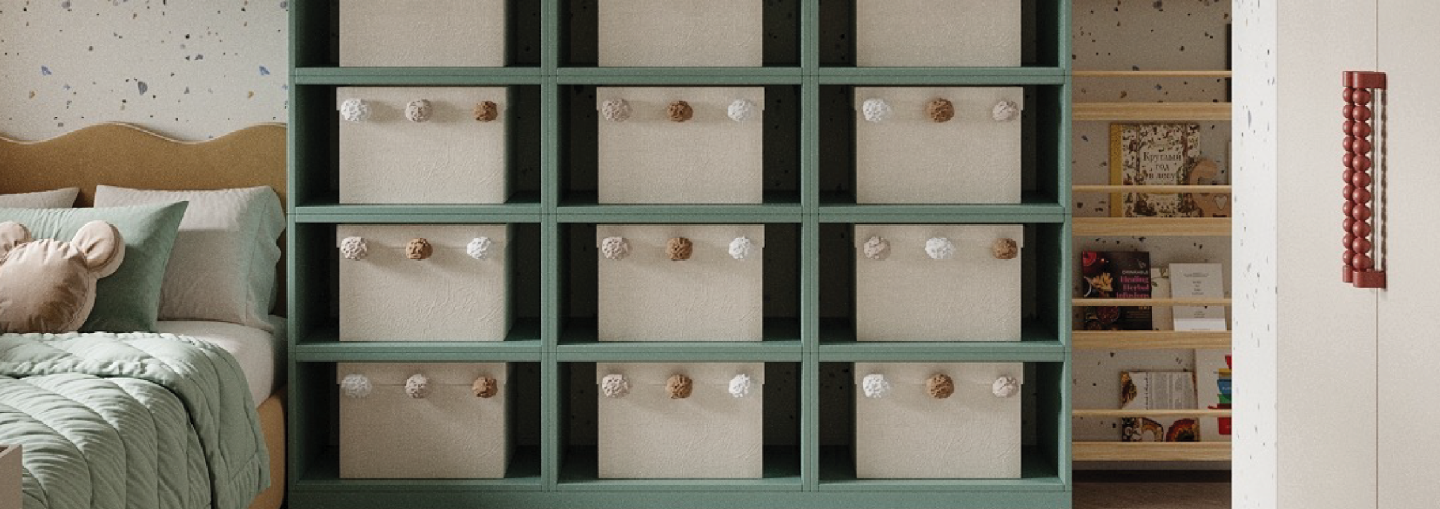
Storage is built into the design rather than added later. This keeps the room clean without reducing functionality.
Wardrobes usually follow the wall line and blend into it. Drawers are placed within platforms or under beds. Open shelving is used carefully and kept limited.
Instead of multiple units, storage is concentrated into a few well-designed systems. This makes the room easier to maintain and keeps the visual field clear.
It also helps daily routines. Everything is accessible, but nothing stands out unnecessarily.
Light, Material, and Layout Working Together
This is where the room starts to feel right in everyday use. Furniture layout, materials, and lighting are not separate choices. They depend on each other. When they are aligned, the space stays balanced throughout the day.
Built-In Layout and Spatial Composition
Furniture is not placed randomly – it is integrated. Beds align with walls or sit within niches, desks follow the same lines, and wardrobes are designed as continuous planes. This removes visual breaks and creates a more stable composition. Even in smaller rooms, this approach improves space without making it feel tight.
Materials and Light Interaction
Materials react to light differently, so their selection matters. Wood softens the space, matte finishes control reflections, and textiles add comfort. In Dubai, where daylight is strong, surfaces need to handle brightness without creating glare.
Storage and Everyday Function
Storage stays part of the structure and does not interrupt the layout. Instead of multiple visible units, systems are combined into fewer elements. This keeps the room clear while still supporting daily use. At the same time, enough open space remains for movement.
Lighting as a Layered System
Lighting is planned in layers rather than relying on one source.
A general light sets the base. Task lighting supports reading or study. Softer, indirect light adds depth and makes the room feel more even.
The position of light matters as much as its strength. Integrated lighting within shelves or panels helps avoid sharp contrasts. In the evening, warmer tones make the room feel calmer.
Color That Holds Over Time
Color palettes are kept simple. Neutral tones form the base – warm whites, soft beiges, muted greens, light greys.
Stronger colors are used in smaller details. This makes it easier to adjust the room later without changing everything.
A restrained palette also works better with natural materials. It keeps the room consistent rather than fragmented.
Study and Focus Within the Same Space
As children grow, the room needs to support study as well as rest. The desk area is usually part of the overall layout, not a separate zone.
It is placed near natural light when possible and supported by simple storage. The goal is to keep it functional without breaking the visual flow of the room.
This way, the space stays cohesive while still supporting concentration.
Flexibility and Open Use
The room is not fixed to one use. Instead of strict zones, it allows for change.
Open space is left for movement. Furniture can support different activities without being replaced. This makes the room easier to live with as routines change.
Flexibility is part of the design, not something added later.
Personalization Without Overload
Personal elements are kept limited. A few details are enough to give the room character.
This might be artwork, a small group of objects, or selected textiles. Too many items create clutter and break the balance.
At Yanetti Furniture we know: a controlled approach keeps the room clear while still making it feel personal.
A More Considered Standard
What defines these rooms is not how much is added, but how everything fits together.
When layout, materials, storage, and lighting are aligned, the space works without effort. It supports everyday use, adapts over time, and remains visually stable.
That is what makes modern children’s bedrooms in Dubai homes feel resolved.